
Microcredit Access & Crop Productivity
Household-level impact evaluation of microcredit programs on agricultural productivity and income among smallholder farmers in Western Uganda.
Client: Microfinance institutions / Local government
Methodology: Descriptive cross-sectional survey, n=260 farming households, multi-stage sampling, KIIs and FGDs, chi-square, t-test, multiple linear regression (Adj. R² = 0.6334).
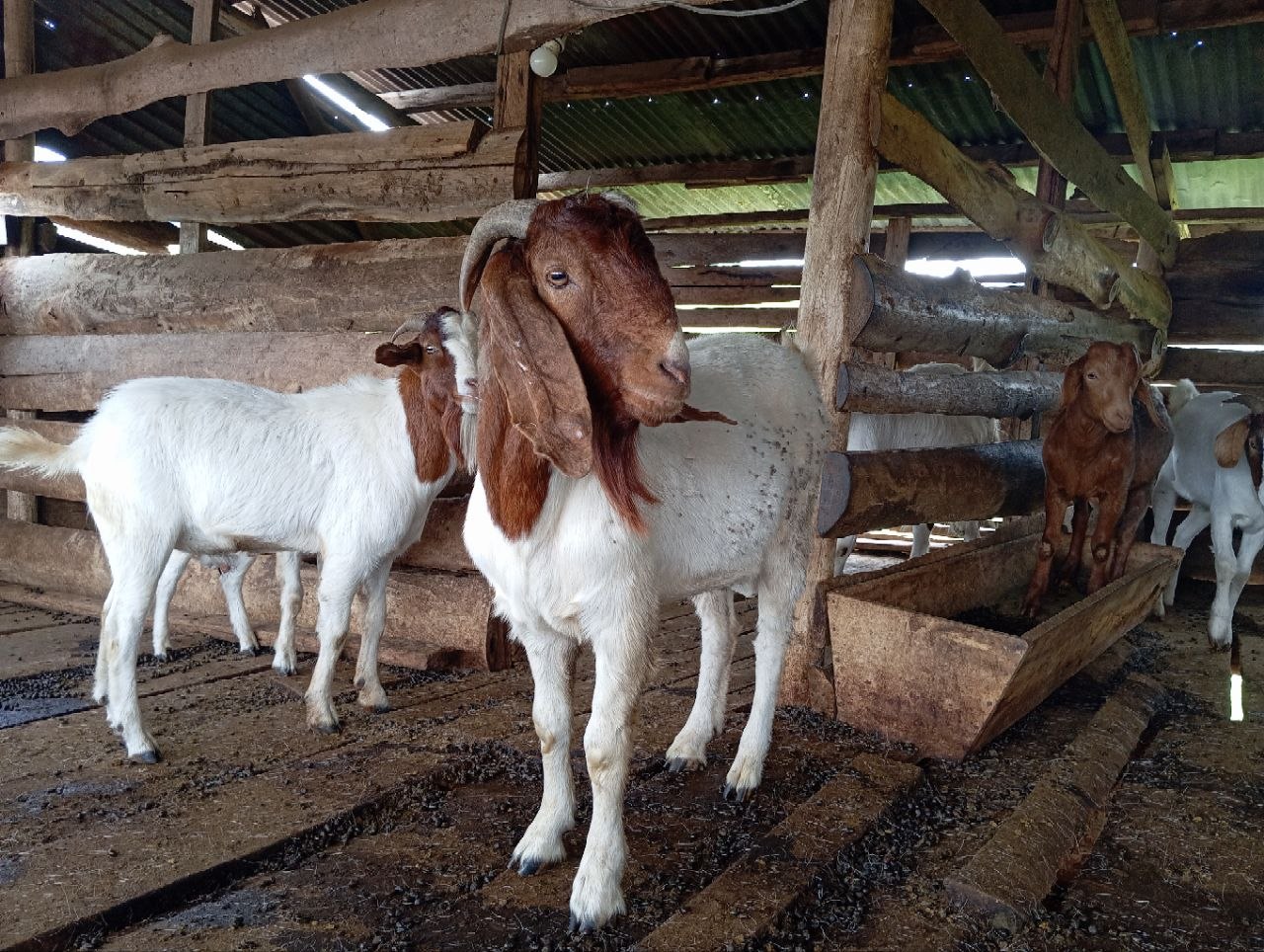
Prevalence of Liver Fluke in Slaughtered Goats
Prevalence, risk factors, and economic impact assessment of liverfluke infestation among goat populations in Western Uganda.
Client: District Veterinary Office / Local Government
Methodology: Cross-sectional study, n=205 goats, systematic random sampling, post-mortem inspection, microscopy (10×–40×), lesion severity scoring (1–10 cm scale), linear regression (R² = 96.1%), chi-square analysis.
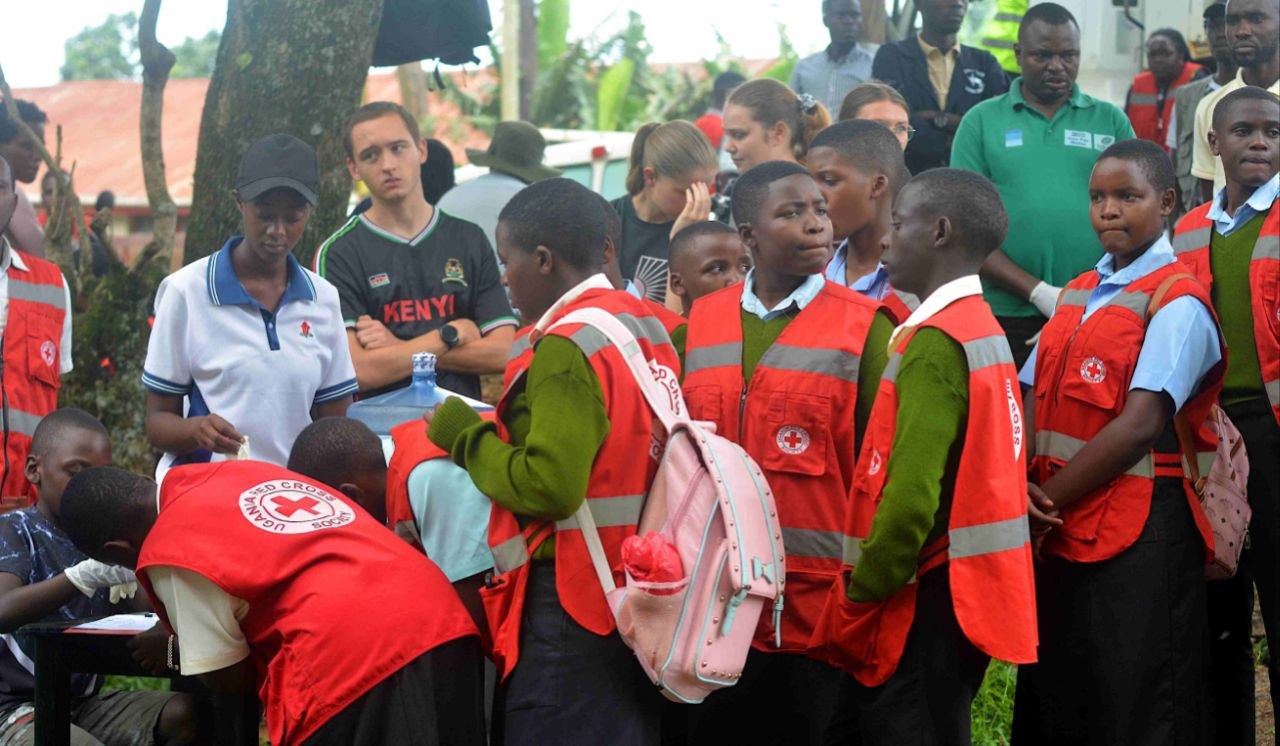
WASH Conditions in Schools
Comprehensive baseline assessment of Water, Sanitation, and Hygiene infrastructure in 85 schools across Uganda.
Client: NGO / District Education Office
Methodology: Baseline survey, n=85 schools, structured observation checklists, key informant interviews with head teachers and district officials, descriptive statistics.
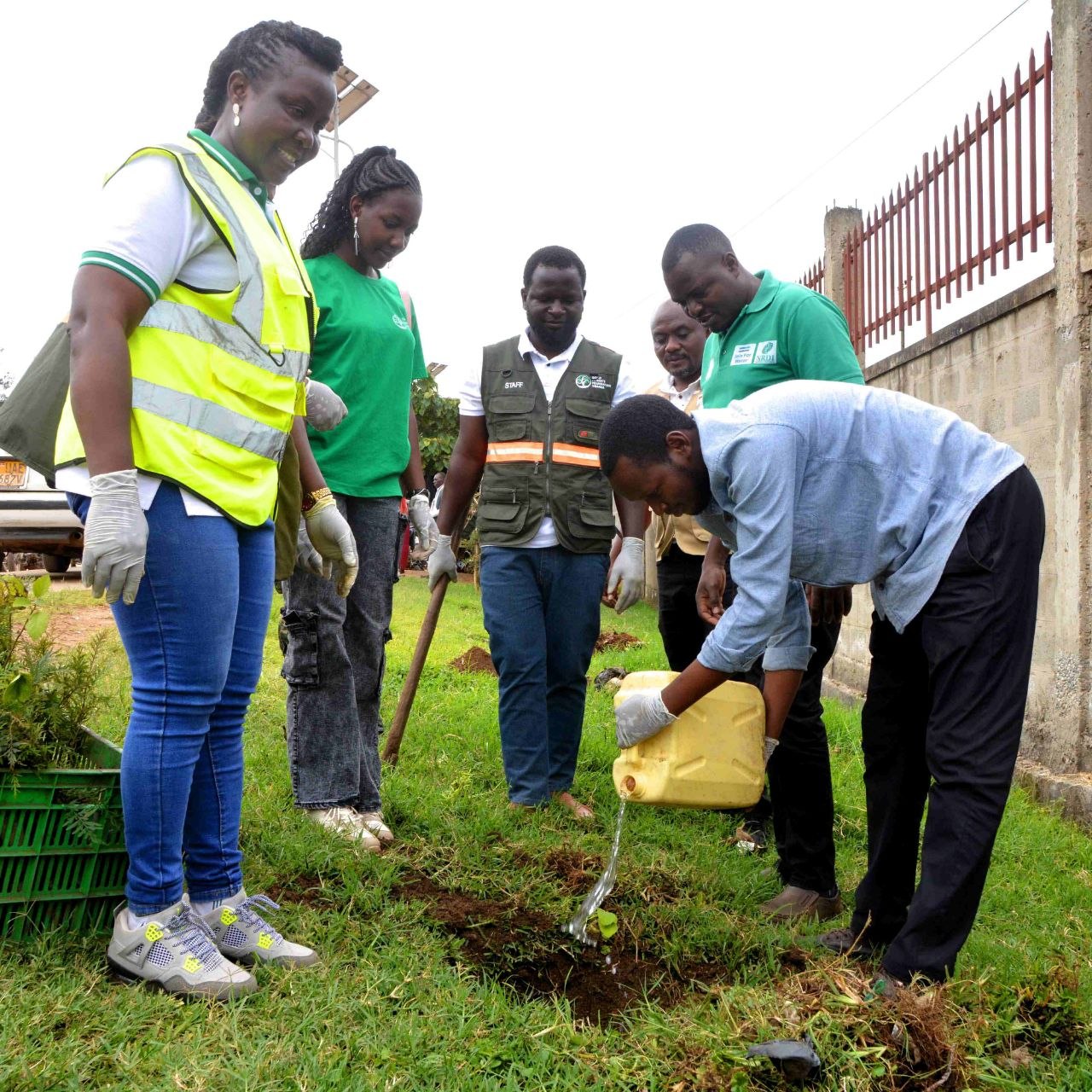
Climate Adaptation Strategies for Farmers
Evaluation of climate-smart agriculture practices and community resilience in drought-prone districts of Northern Uganda.
Client: Development partner / Local Government
Methodology: Mixed-methods evaluation, n=180 farming households, FGDs, KIIs, household surveys, difference-in-differences analysis across 4 drought-prone districts.

Effect of Cold Chain on Post-Harvest Losses
Investigating the effect of the cold chain on post-harvest losses in fresh food markets in Kampala, Uganda.
Client: Development partner / Market trader associations
Methodology: Mixed-methods cross-sectional, n=91 respondents (wholesalers, vendors, transporters), 5 major markets (Nakawa, Busega, Nakasero, Kalerwe, Nateete), controlled refrigeration experiment (tomatoes & carrots at 8–10°C over 16 days), ANOVA, chi-square, regression analysis.

Environmental Impact of Wetland Conversion
Socio-economic and ecological effects of wetland conversion for agriculture in Central Uganda.
Client: National Environment Management Authority / Local Government
Methodology: Ecological survey combined with household interviews, n=150 households, biodiversity transect sampling, GIS land-use change mapping, chi-square and regression analysis.